AgricultureLivestockAuctionsMarkets Agribusiness directory Classifieds
Auctions · Guide

Livestock auctions: how the live cattle market works

Newsroom · August 18, 2026
← Back to home

The auction is the heart of the cattle trade. We explain who sells, who buys and how the prices that set the pulse of the sector are formed.

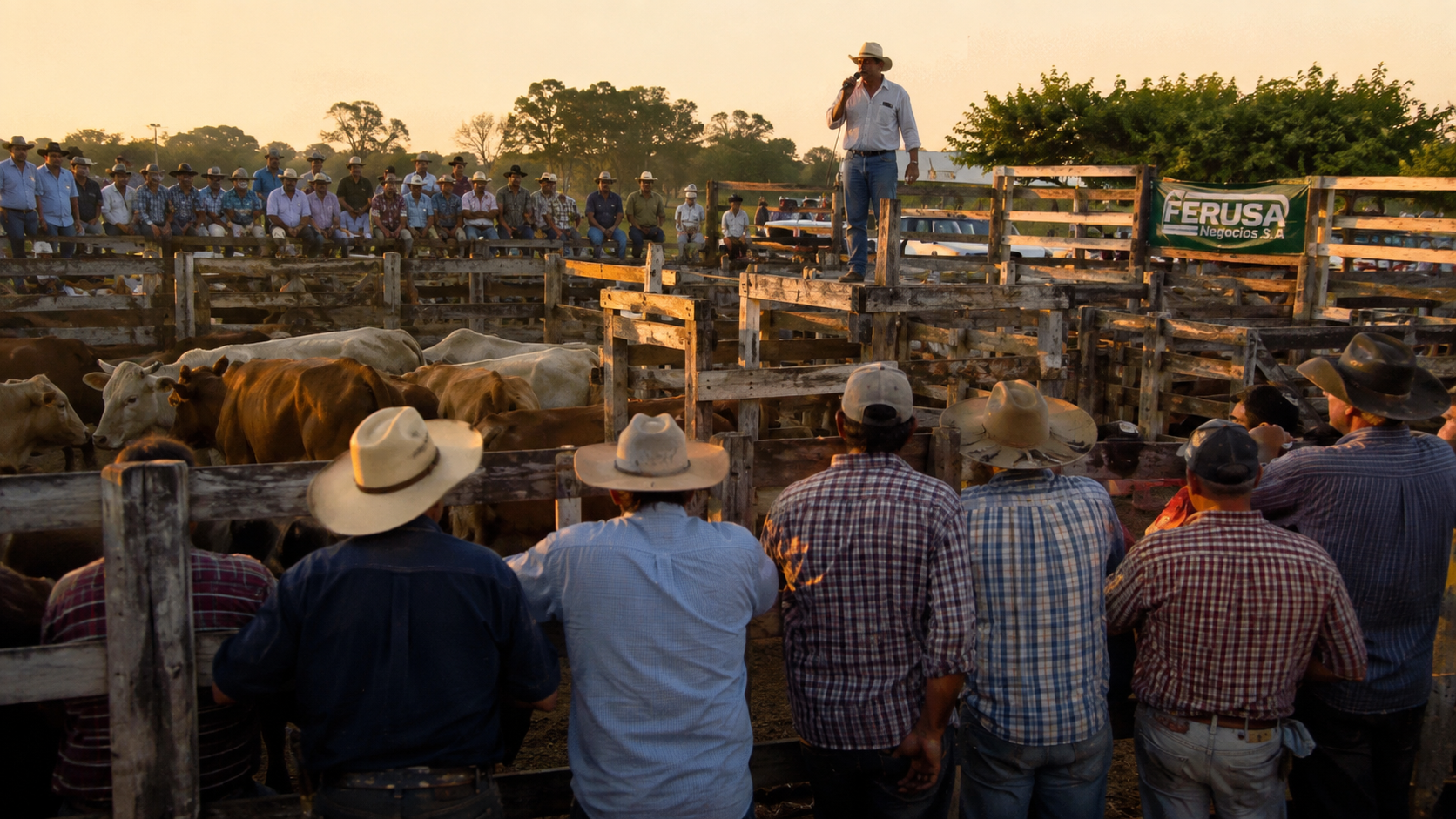
The livestock auction is where supply and demand for live cattle meet. The producer consigns his lots, the auctioneer offers them and buyers bid.

On the other side are backgrounders, packing plants and other stud farms looking for replacements or genetics. Each category (heifers, steers, bulls, breeding cows) has its own audience and its own price.

Prices are formed live, per kilo or per head depending on the category, and become the market reference for the following weeks.

For the sector, a good auction is not just about selling: it is about taking the pulse of the cattle industry. That is why the results of the big auctions are followed closely across the eastern lowlands.

Be featured

Would you like us to tell your story?

Interview and distribution to a professional standard.
See how to be featured

Keep reading

Agriculture

What is sorghum, and why is the eastern lowlands planting more of it?

Drought-resistant, cheaper to produce than corn and backed by firm demand for animal feed. We explain why sorghum has become a key card in the Santa Cruz crop rotation.

Guide · August 25, 2026
Markets

Santa Cruz agriculture in numbers: why the department is the country's engine

Santa Cruz concentrates most of Bolivia's agricultural output. We review the figures that explain why, when people talk about the national economy, they are talking about the Santa Cruz countryside.

Data · August 24, 2026
Markets

Soybeans: how the summer season is played, and why the international price matters

Weather, the international price and the cost of fuel decide whether the season closes in the black or in the red. A simple map of the variables growers watch closely.

Analysis · August 23, 2026