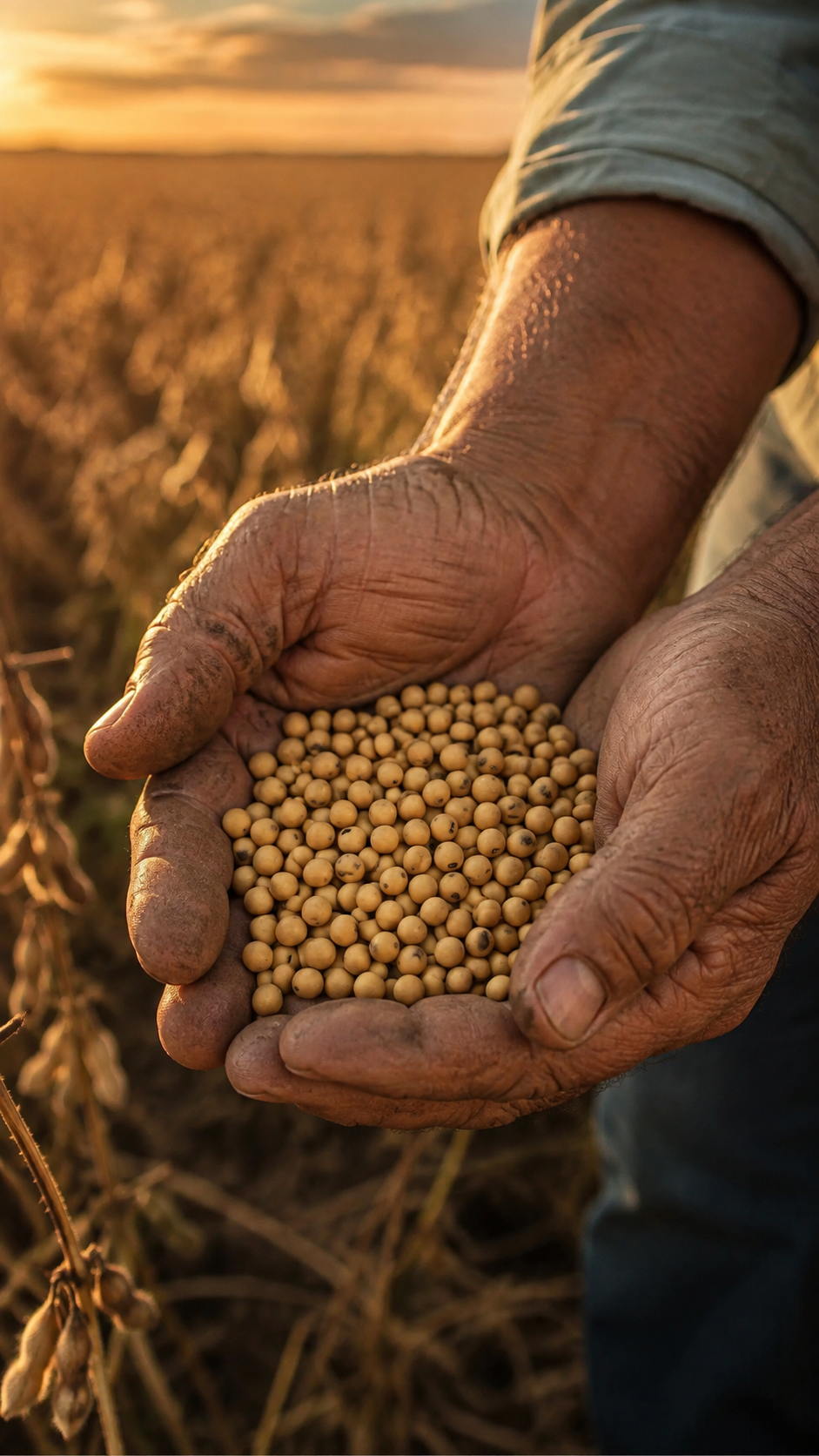
Drought-resistant, cheaper to produce than corn and backed by firm demand for animal feed. We explain why sorghum has become a key card in the Santa Cruz crop rotation.
Sorghum is a hardy cereal, related to corn, that adapts well to difficult soils and climates. It tolerates water shortages better than most grains, which makes it a safer bet when the crop season turns dry.
In eastern Bolivia it is used mainly as a feed grain: food for poultry, pigs and cattle. That steady demand, together with a lower production cost than corn, explains why more and more growers are adding it to their rotation.
Rotating with sorghum also protects the soil. It alternates pest and disease pressure and helps maintain soil structure between soybean seasons.
The downside: feed grain prices depend on the poultry and pork industries. When those sectors cool, sorghum feels it. Even so, as a fallback crop within an orderly rotation scheme, it has earned its place.
Would you like us to tell your story?
Interview and distribution to a professional standard.